

When planning a trip to Bohol, the first things you’ll likely figure out are how to get there from Cebu and which marine activities to book.
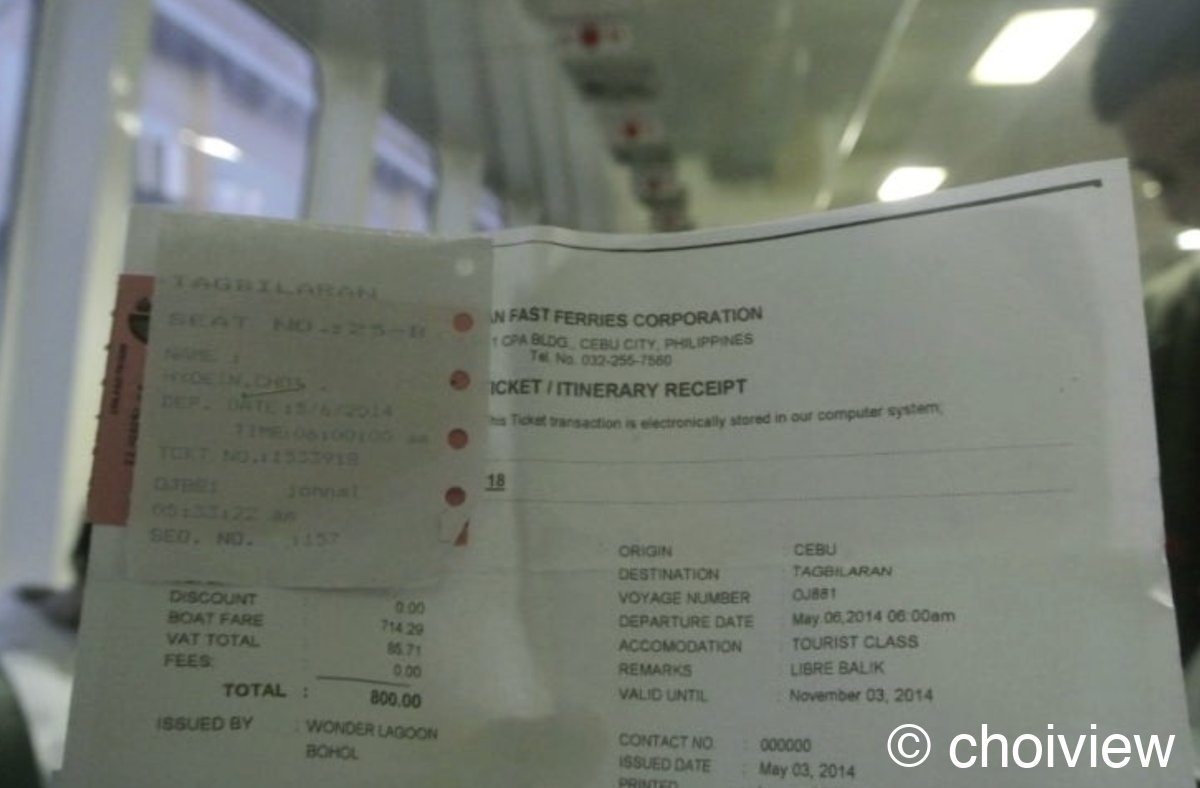
I took the OceanJet ferry from Cebu Pier 1 to Tagbilaran Port in Bohol. The boarding process involves a few steps, so knowing them in advance definitely saves you some hassle.
1. Cebu Pier 1 Terminal Fee & Luggage Rules
You might think a ferry ticket is all you need, but at Cebu Pier 1, you must pay a separate Terminal Fee. It’s usually around ₱25 and strictly cash-only, so make sure you have some small bills handy. (There was a brief waiver from April to June 2026, but expect to pay it normally.)
🚐 Pro Tip: OceanJet Luggage & Pre-booking
Under the latest 2026 policies, OceanJet allows 10kg of free baggage for Tourist class and 20kg for Business class. Crucially, carry-on trolley bags are ONLY allowed in the cabin for Business class passengers. If you’re in Tourist class, you MUST check your trolley bag (excess weight incurs per-kilo charges).
The ticket lines at the port can get incredibly long, and ideal departure times often sell out. Booking in advance through platforms like Klook makes the whole transit much more relaxing.
2. Getting from Tagbilaran Port to Alona Beach
Once you arrive at the port in Bohol, you’ll need to head to Alona Beach on Panglao Island, where most resorts are located. The drive takes about 30–40 minutes. If you negotiate a tricycle on the spot, it costs roughly ₱250–₱300, while a taxi or van will set you back ₱500–₱600. If you have heavy luggage and it’s hot, I highly recommend opting for a taxi or pre-booking a transfer.
After dropping off my bags at the resort, it was time to head out to the highlight of Bohol—the ocean.
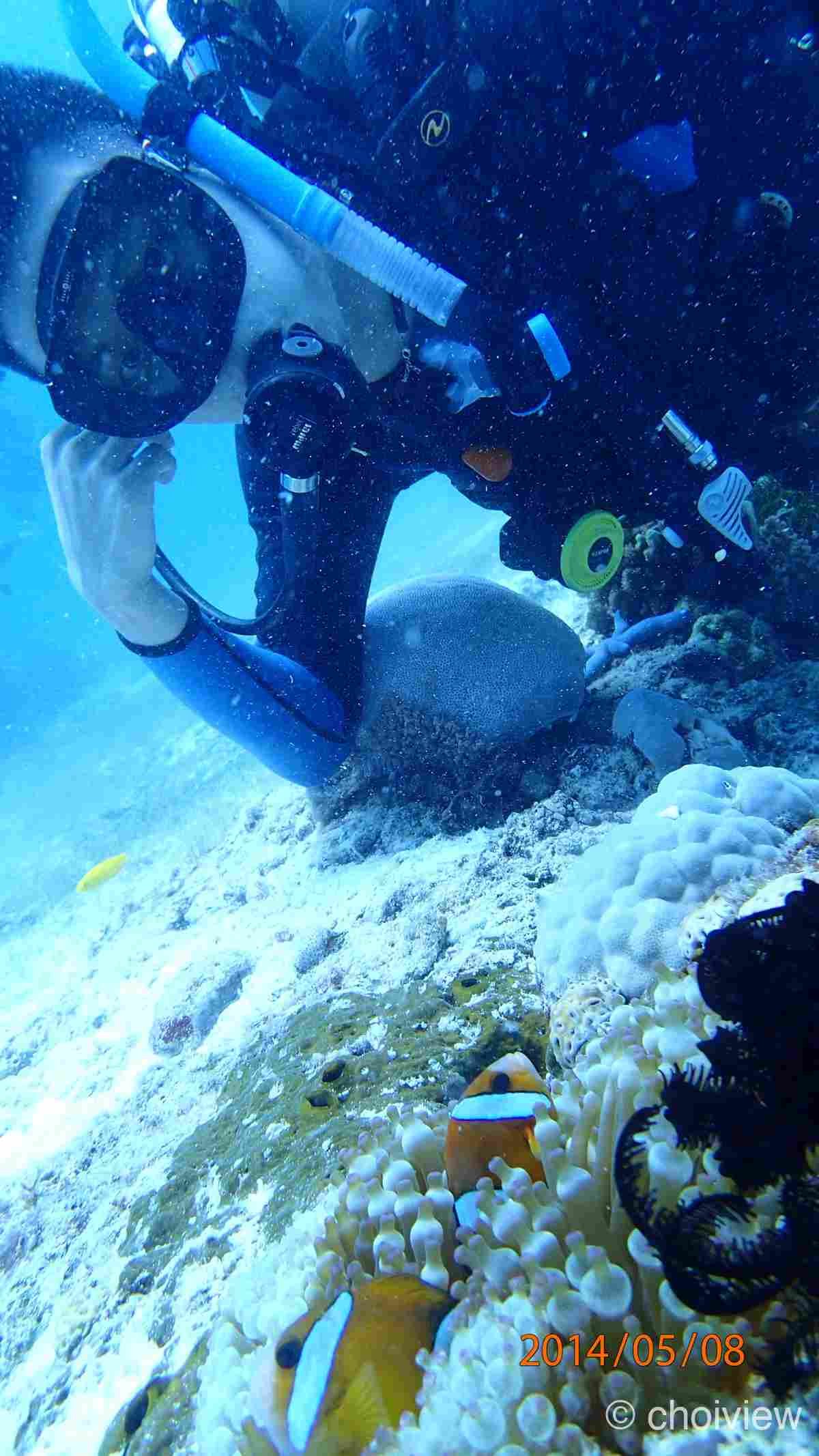
I went through rigorous confined-water training in a pool before heading out to the open sea for scuba diving.
3. Balicasag Diving & Dolphin Watching
The Balicasag Marine Sanctuary is famous for its massive underwater walls covered in corals and its resident sea turtles. While diving, you’ll see turtles as frequently as you’d see stray dogs in a neighborhood.
While snorkeling is great, adding dolphin watching to your itinerary is a must. Heading out early in the morning and seeing pods of dolphins leaping above the water became one of the most memorable moments of my trip.
💡 Good to Know: Watch Out for Hidden Fees
In 2026, shared group tours for Balicasag island hopping range between ₱1,000 and ₱2,500 per person. However, since motorized boats aren’t allowed near the corals, you have to transfer to a small paddleboat operated by locals (bangkero).
This often incurs an additional guide fee and Environmental Fee (around ₱300) not covered by cheap tours. Always confirm if the Environmental Fee and snorkeling gear are included before booking to avoid unexpected surcharges on the island.
Stopping by the Virgin Island sandbar to try fresh sea urchins sold by wading vendors was another unique part of the tour. Experiencing it firsthand, I felt Bohol’s ocean is simply too beautiful to just sit on the beach. Even if it requires an early wake-up, planning a day fully dedicated to the water is absolutely worth it.
✨ My 2014 Bohol Dive Training & Dolphin Encounter
I documented my rigorous dive training days and the peaceful encounter with the dolphins in more detail.