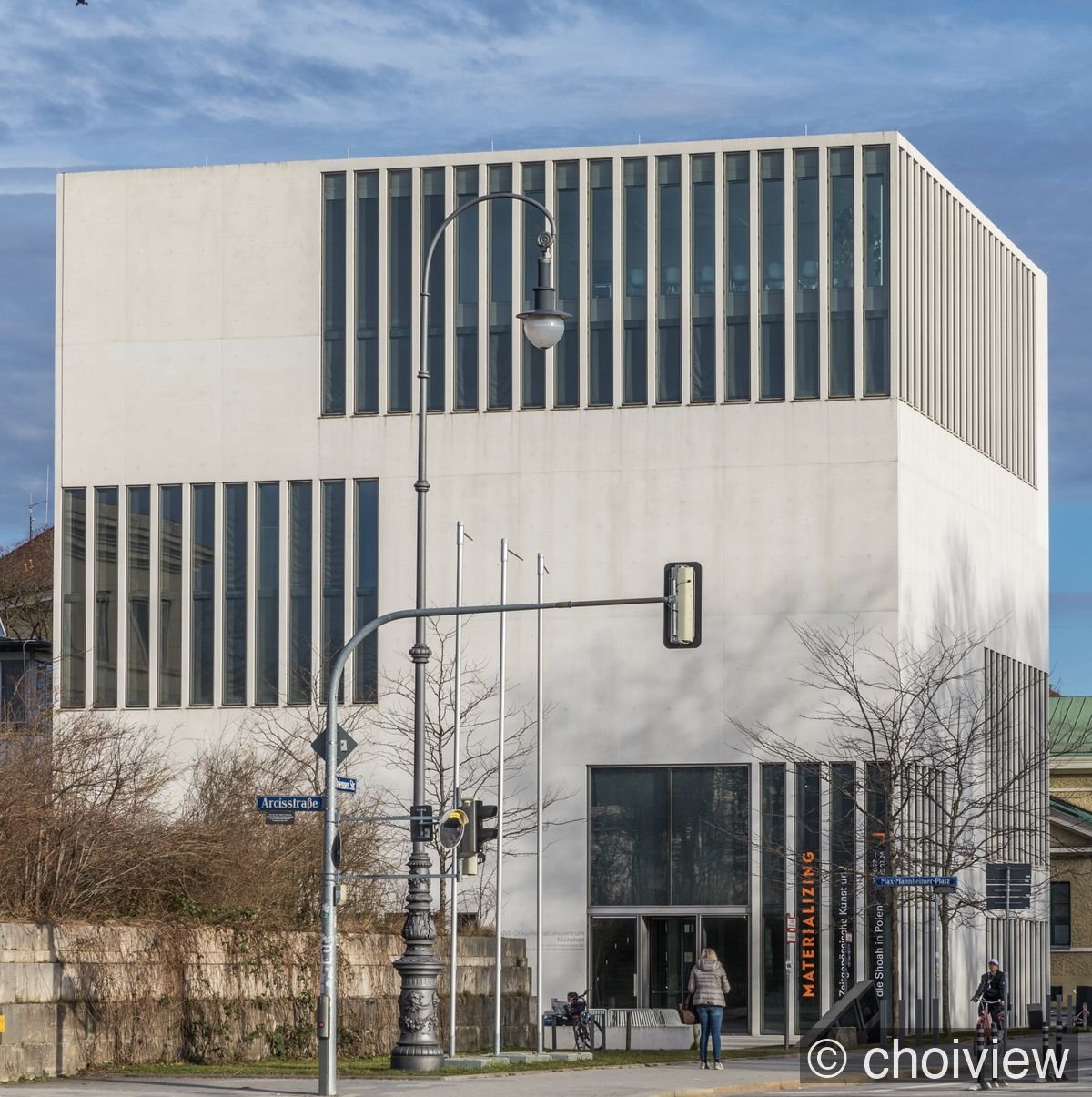
독일 나치 정권 시대의 역사와 당시 자료를 보관하고 있는 공간, 나치 기록 박물관 NS-Dokumentationszentrum으로 향했어요. 방대한 자료를 하나하나 아카이빙해 왔고, 이렇게까지 세밀하게 제공할 줄은 몰랐어요. 도착해서 지하 1층으로 내려가니 오디오 서포트가 있어서 오디오 가이드를 지원받았어요. 휴대폰 앱으로 설치해서 할 건지 기계를 빌려서 할 건지 물어봤는데, 폰 배터리를 항상 아껴야 해서 기계를 빌리기로 했어요.
전시관은 오디오를 들으며 4층에서부터 내려오는 방식이었어요. 어쩌면 불편한 역사적 사실들도 고도로 객관화된 자기 반성적 태도가 전시 전반에 반영돼 있었어요. 비밀경찰 게슈타포 등 공권력으로 유대인들을 총살하는 사진이 가장 충격적이었는데, 사살당하는 이들이 모두 여성이어서 더 끔찍하게 와닿았어요.
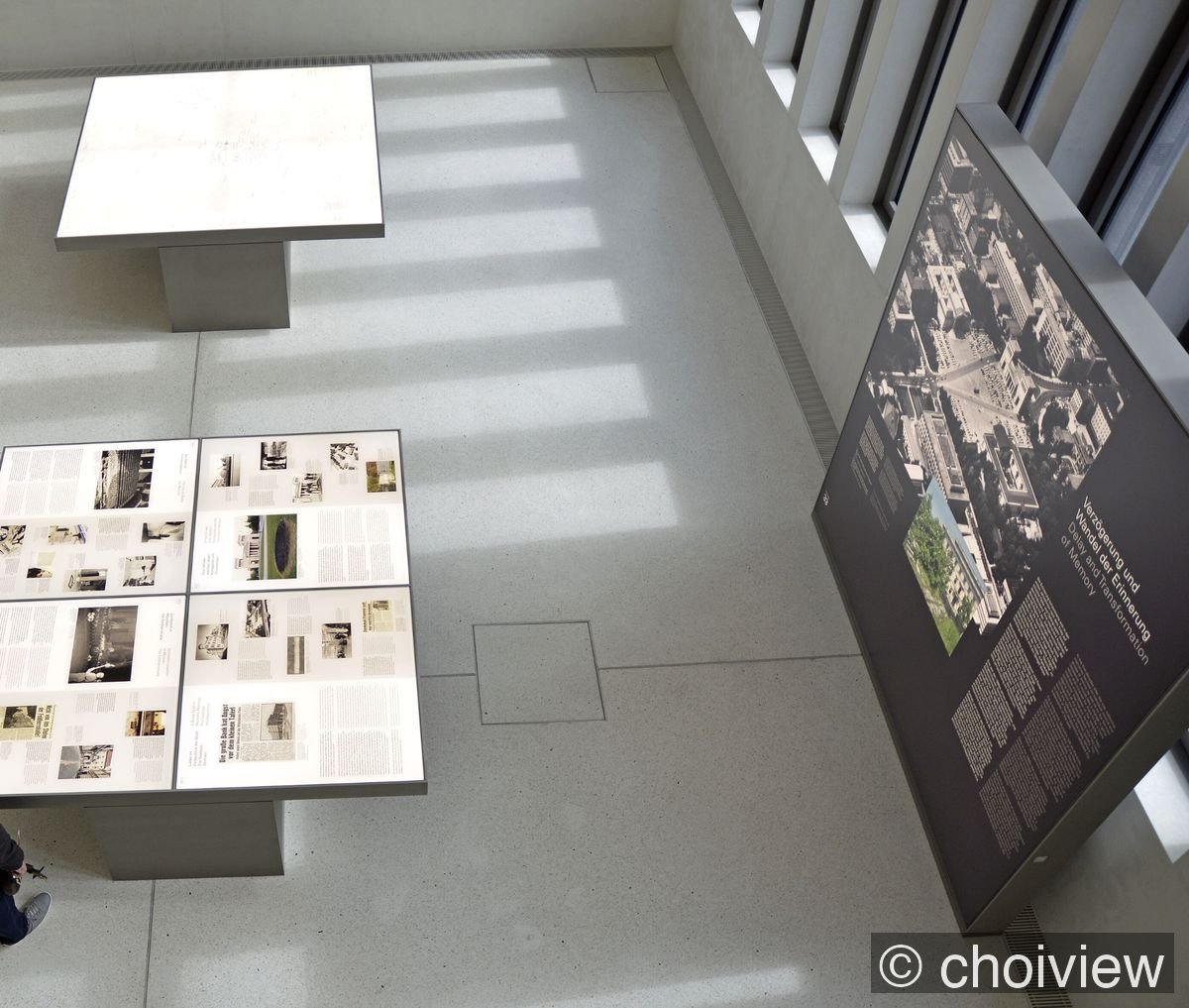
가장 악마 같은 건 히틀러와 나치당이겠지만, 이들을 뽑아 주고 점점 악마적 범죄국가가 되는 것을 용인해 준 독일 국민들의 잘못도 있다는 점을 여실히 보여주고 있었어요. 우리나라 일제 강점기에도 잘못된 길을 가고 있다는 자성의 목소리를 냈던 선진들이 있었듯이, 독일에도 그런 시민 저항 운동이 있었다는 것을 함께 보여주고 있더라고요.
가장 감명 깊었던 건 이런 취지의 내용이었어요:
“독일인들이여! 나치즘이라는 비인간적인 체제에서 벗어나십시오! 당신들의 마음을 감싸 무관심의 장막을 걷어차십시오! 너무 늦기 전에 결심하십시오!”
한 명의 잘못된 리더가 얼마나 많은 군중을 잘못된 길로 내몰 수 있으며, 얼마나 많은 피해자를 만들 수 있는지를 두 눈으로 목도한 것만 같아 먹먹했어요. 또한 지금 이 평화로운 시대를 살고 있다는 것에 대한 감사함이 밀려왔어요.
아 그리고 여기 오기 전에 나치 기록 박물관이 오전 10시에 문 연다고 해서 들린 곳이 있었어요.
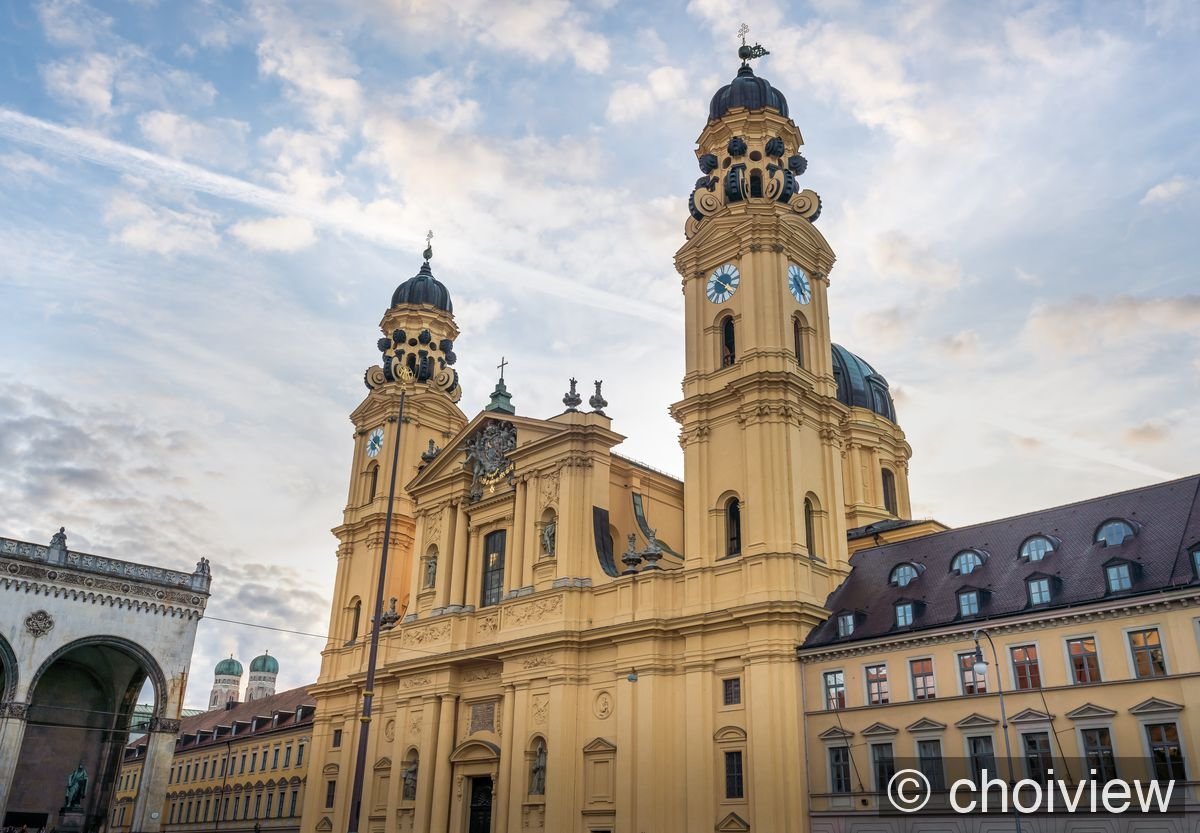
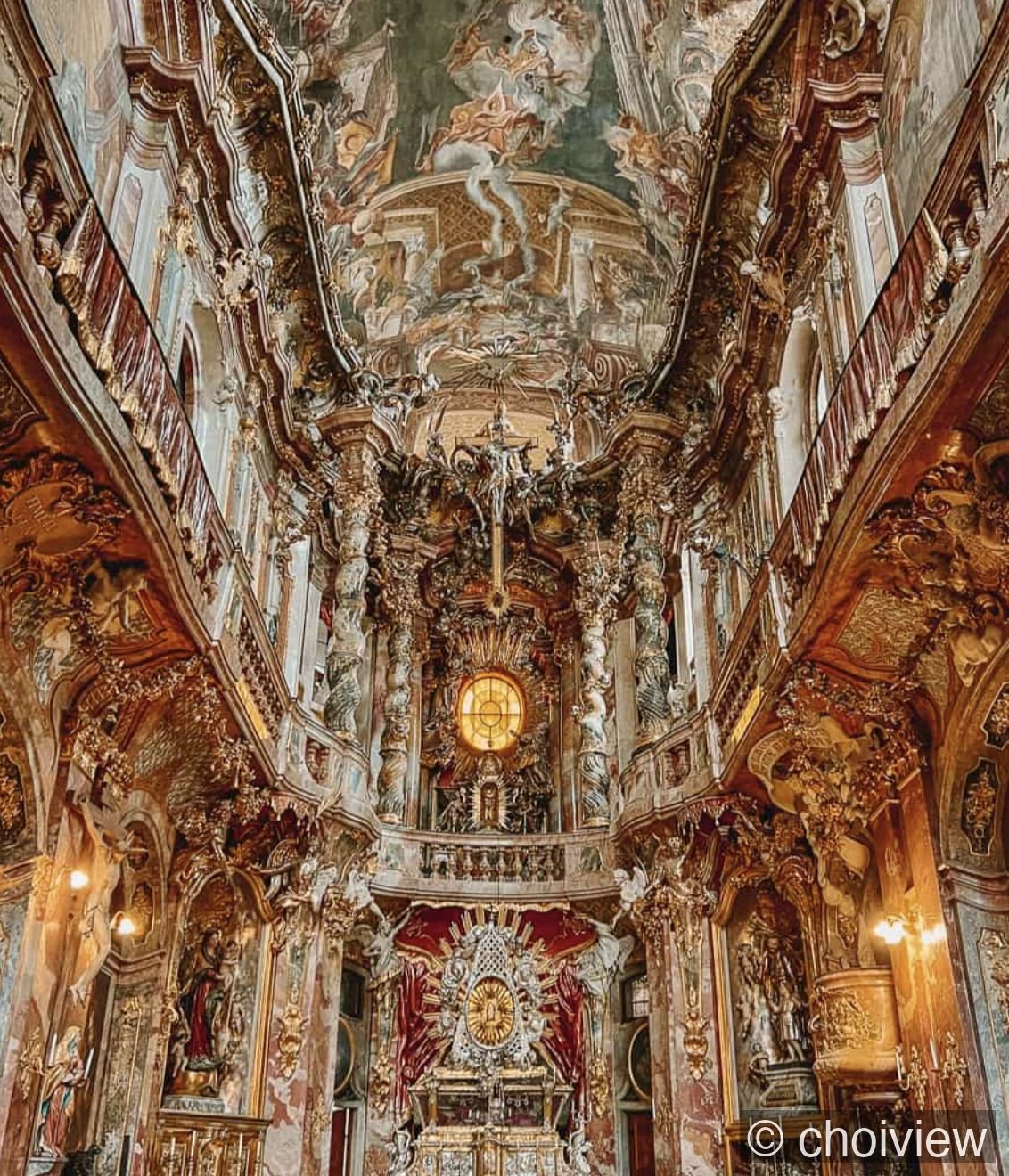
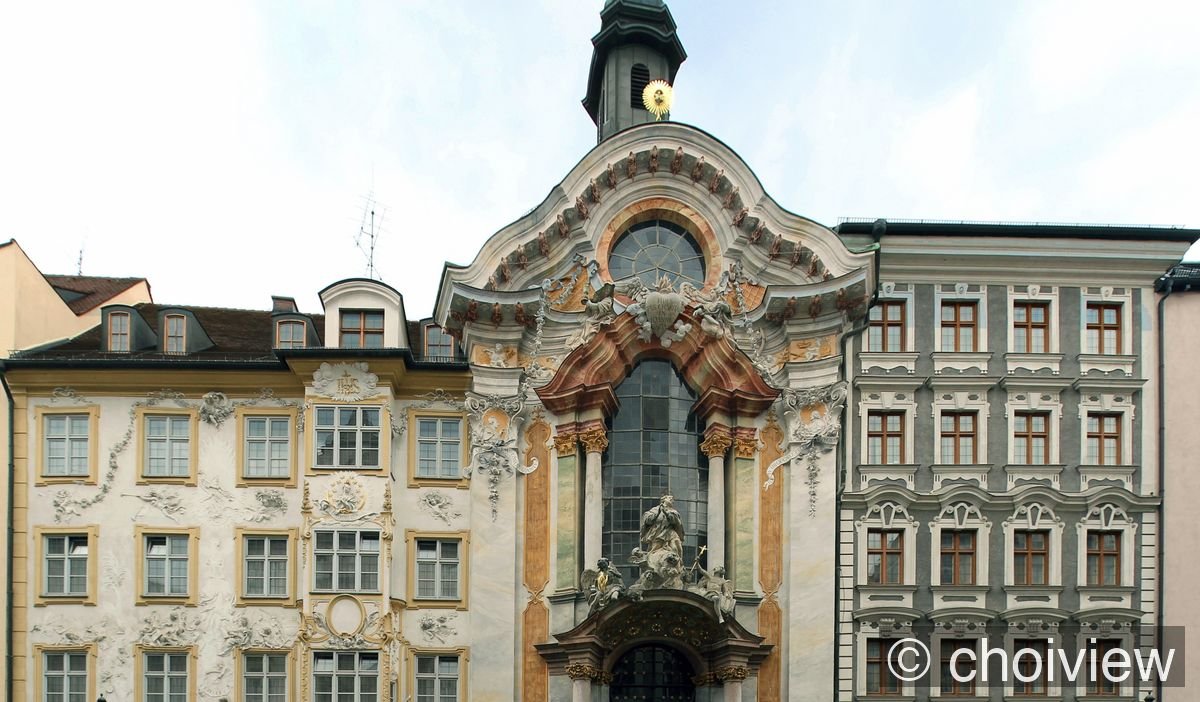
먼저 아잠교회 Asamkirche. 정식 명칭으로 St. Johann Nepomuk Church라 불리는 바로크 양식의 작은 성당이에요. 규모는 크지 않지만, 남부 독일 후기 바로크 건축을 대표하는 걸작으로 평가받는다고 해요. 이 교회는 1733년부터 1746년까지 조각가 Egid Quirin Asam과 화가 Cosmas Damian Asam 형제가 건립했는데, 당시 가톨릭 교회의 의뢰가 아니라 형제들이 신앙심과 예술적 비전을 담아 개인 예배당으로 세웠다는 사실에서 대단한 신앙심이 느껴지더라고요.
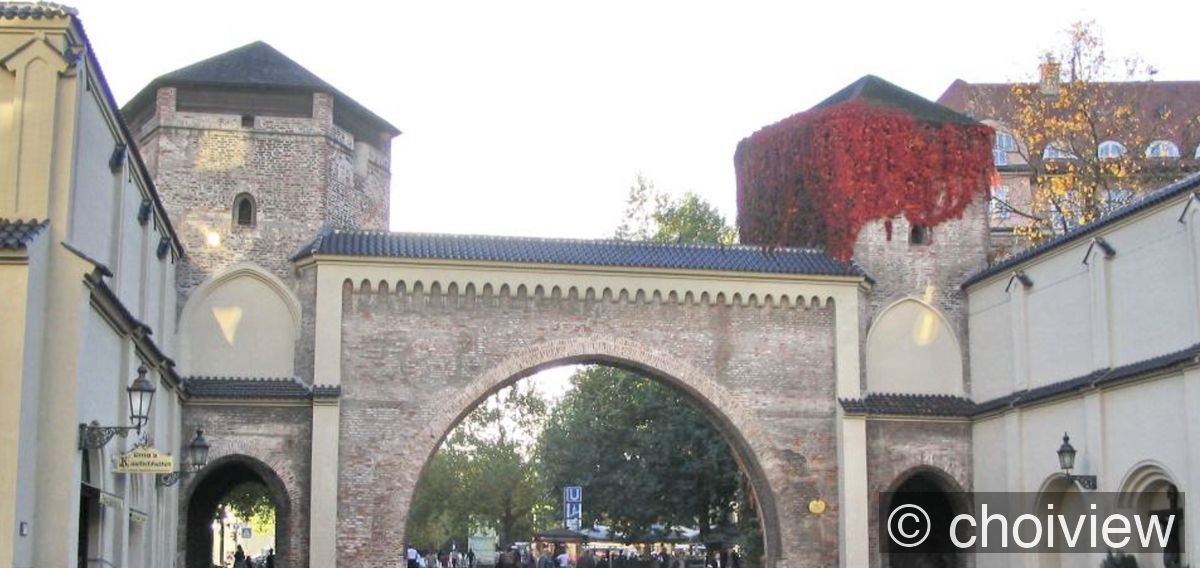
젠들링어 토어 Sendlinger Tor는 1285년에서 1337년 사이에 건설된 뮌헨의 도시 문으로, 구시가지의 남쪽 관문 역할을 했던 역사적인 성문이었어요. 1300년경 당시 통치자였던 루트비히 4세의 명령에 따라 뮌헨을 둘러싸는 두 번째 성벽이 건설되면서 함께 만들어졌다고 하더라고요. 세월이 흐르면서 도시 성벽의 대부분은 사라졌지만, 젠들링어 토어는 남아 있어 뮌헨의 중세 도시 구조를 보여주는 귀중한 흔적이 됐어요. 두 개의 둥근 탑과 중앙 성문으로 이뤄진 구조가 인상적이고, 제2차 세계대전 당시 연합군의 대규모 폭격에도 상대적으로 적은 손상만 입은 채 보존됐어요.
그 외 보았던 것 메모.
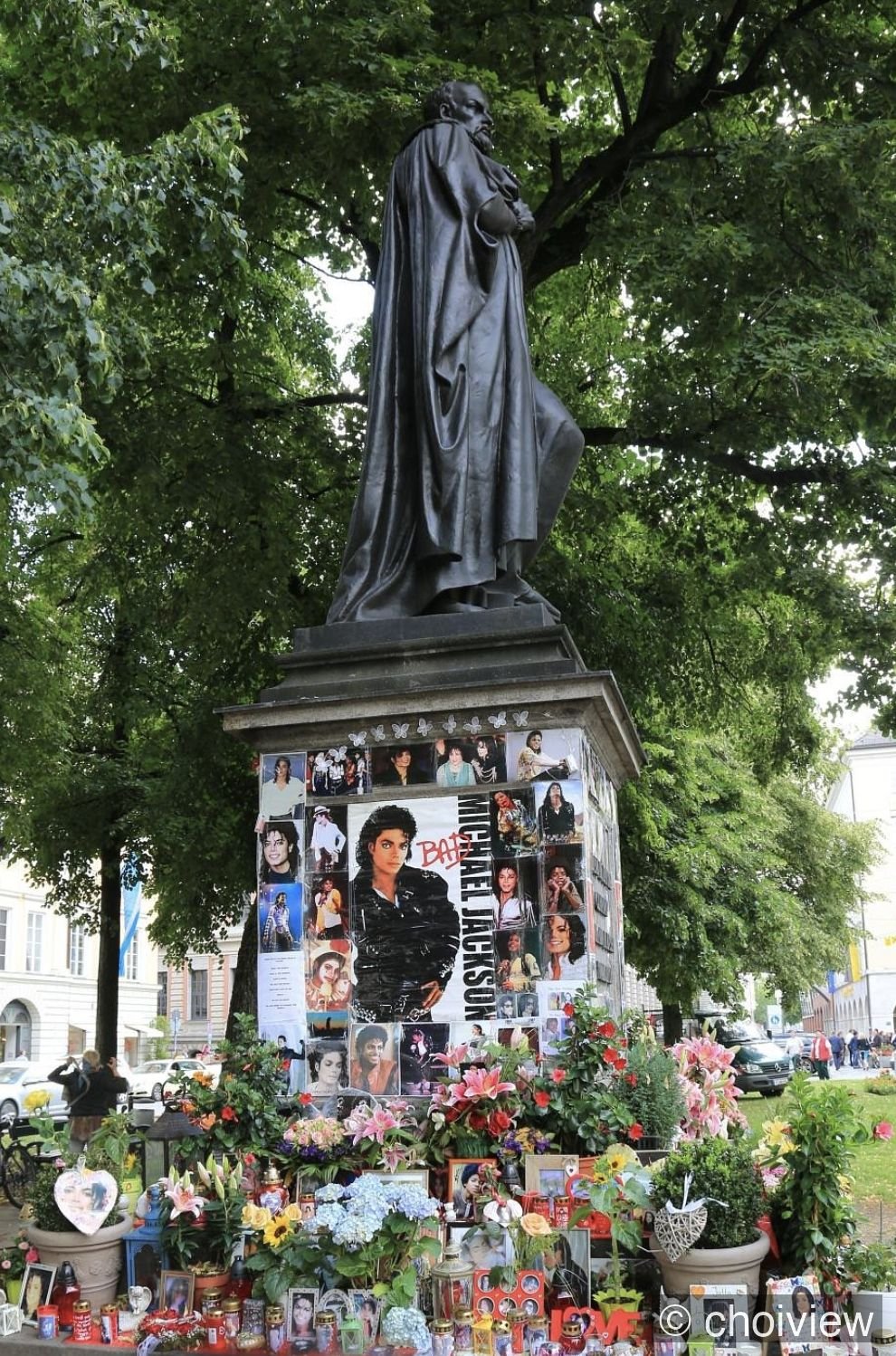
마이클 잭슨 추모 공간. 알고 보니 라소 동상이었는데 그 아래 마이클 잭슨 사진이 있고 추모하는 글과 꽃들이 가득했어요. 루트비히 1세가 프로메나덴플라츠에 세운 동상 중에 르네상스 작곡가 오를란도 디 라소가 있는데, 잭슨이 뮌헨을 찾을 때마다 공원 앞 바이에른호프 호텔에 투숙한 것을 팬들이 기억하고 라소의 동상을 추모 공간으로 삼은 것이라 해요. 의외의 발견이었어요.
또 나치 기록 박물관으로 가면서 왜 이집트에 나올 법한 오벨리스크를 봤는데, 나폴레옹 전쟁에서 전사한 사람들을 위한 오벨리스크라고 해요.
이렇게 하루에 돌아보려고 했던 일정을 오전에 만 걸음 걸으며 다 돌아보고 나니 뭔가 힘이 빠졌어요. 기운이 빠지고 몸이 무거운 느낌.. 아직 2만 걸음을 걸었는데 그 피로감이 오늘까지 이어진 듯했어요. 게다가 시차 적응이 아직 되고 있어서 몸이 영 적응을 못하는 듯했어요.
독일과 뮌헨의 대표 음식인 학센 족발과 화이트 소시지를 이미 먹었으니, 오늘은 로컬 음식인 레베르케제 Leberkäse와 부르트부르스트 Bratwurst에 도전해 봤어요. 부르트부르스트는 돼지고기로 만든 독일 소시지를 말하고, 레베르케제는 햄을 거의 통째로 햄버거 빵 같은 거에 넣다시피 한 로컬 푸드를 말해요. 100년 넘은 유명 정육 체인인 빈첸츠무르 Vinzenzmurr에 들러 한끼 해결했어요.
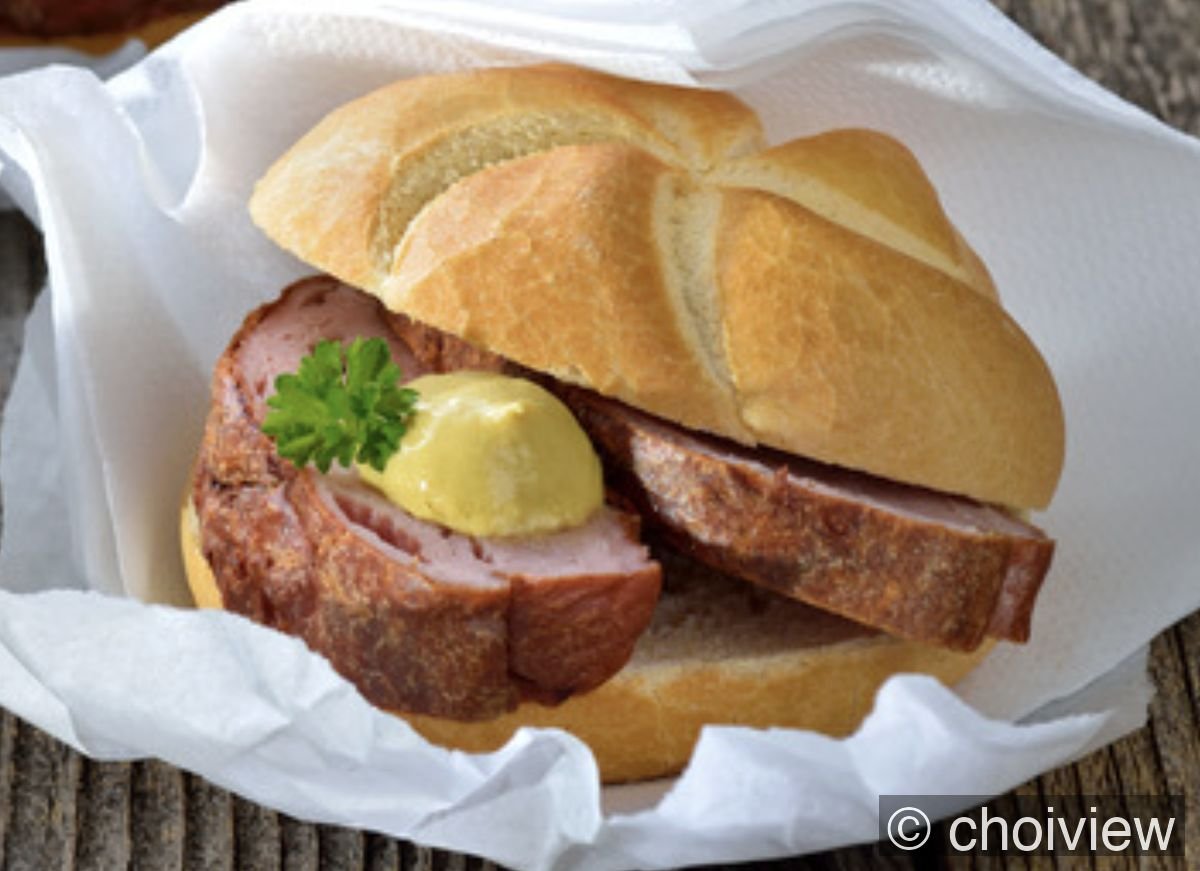
먹으면서 느낀 건.. 이건 완전 서민 음식이어서 그저 한 끼 때우려는 성격이 강하다 보니 이어져 온 음식이라는 생각이 들더라고요. 소박하지만 그 나름의 매력이 있었고, 한편으로는 분식부터 길밥까지 다양한 한국 길거리 음식이 새삼 대단하게 느껴지기도 했어요.
피곤함이 가시질 않아서 근처 맥도날드로 향했어요. 간단히 에너지를 채우고 내일 넘어갈 스위스와 다른 나라를 그려보는 일정을 짜봤어요. 아내가 너무 추워해서 탐텐 같은 현지 브랜드로 가서 비니를 샀어요. 그리고 환가가 4만 원이 홀쩍 넘어가는 등 미친 물가를 자랑하는 스위스에 대비해 일용할 양식을 모두 사기로 결정했어요.
해서 아시안 마켓에서 라면을 7개 구매한 뒤 숙소로 가서 짐을 두고, 다시 나와 아침과 스위스에서 먹을 아침점심저녁 6끼를 왕창 산 다음 숙소로 와서 잠을 청했어요.
이제 스위스로 가는 일정인데 마의 구간이라 계획대로 압축된 일정으로 잘 보낼 수 있기를..
오늘 만난 장소들
나치 기록 박물관 NS-Dokumentationszentrum München — 2015년에 개관한 곳인데, 나치즘의 발흥과 그 결과를 정말 객관적인 시각에서 보여줘요. 오디오 가이드가 잘 돼 있어서 4층부터 천천히 내려오면 2~3시간은 금방 지나갔어요. 무거운 주제지만 가보길 정말 잘했다 싶었어요.
아잠교회 Asamkirche — 밖에서 보면 작고 소박한데, 안에 들어가면 화려한 바로크 장식에 입이 떡 벌어져요. 형제 두 명이 사비로 지었다는 게 믿기지 않을 정도예요.
젠들링어 토어 Sendlinger Tor — 13세기에 지어진 뮌헨 구시가지 남쪽 성문이었어요. 두 개의 둥근 탑이 인상적인데, 구시가지 걸으면서 자연스럽게 마주치게 됐어요.
프로메나덴플라츠 마이클 잭슨 추모 공간 Promenadeplatz — 원래는 르네상스 작곡가 라소의 동상인데, 잭슨 팬들이 꽃과 사진으로 가득 채워놓은 곳이더라고요. 잭슨이 뮌헨 올 때마다 근처 호텔에 묵었다고 해요. 의외의 발견이었어요.
빈첸츠무르 Vinzenzmurr — 1905년부터 이어져 온 뮌헨의 정육·델리 체인이었어요. 레베르케제 샌드위치가 대표 메뉴인데, 바이에른 서민 음식을 맛보기 좋았어요. 가격도 착했습니다.
독일은 나치 과거사에 대해 세계에서 가장 철저한 반성 교육을 시행하는 국가로 평가받으며, 홀로코스트 부정은 형법상 범죄로 처벌받는다고 해요. 이러한 ‘기억 문화(Erinnerungskultur)’는 다른 국가의 역사 청산 모델로 자주 언급되고 있다고 해요.
여행 팁
- ✓ 나치 기록 박물관은 화요일~일요일 10시 개관, 월요일 휴관이에요. 오디오 가이드는 기계를 빌리는 걸 추천드려요 (폰 배터리 아끼기!)
- ✓ 뮌헨의 공중화장실은 대부분 유료 (0.5~1유로). 동전을 항상 좀 챙겨 다니세요
- ✓ 스위스 물가가 정말 살인적이니, 뮌헨에서 미리 라면, 간식, 끼니거리를 사 가는 걸 강력 추천해요. 아시안 마켓이 중앙역 근처에 있어요
- ✓ 탐텐(Tante), 프리마르크(Primark) 같은 현지 저가 브랜드에서 비니, 장갑 등 방한용품을 저렴하게 살 수 있어요
오늘의 경로
I headed to the NS-Dokumentationszentrum, a museum dedicated to preserving records from the Nazi era in Germany. I had no idea just how thoroughly they’d archived everything — more detailed than I ever expected. When I got there and went down to the basement level, they offered audio guides. They asked whether I wanted to install the app on my phone or borrow a device instead. I always try to save my phone battery when I’m traveling, so I went with the device.
The exhibition starts on the fourth floor and you work your way down while listening to the audio guide. What struck me was how the entire exhibit carried this rigorously objective, self-reflective tone — even when dealing with the most uncomfortable facts. The most shocking part was a photograph of Jewish women being executed by the Gestapo and other state forces. The fact that all the victims in that particular image were women made it feel even more horrifying.
Of course, the greatest responsibility lies with Hitler and the Nazi party. But the exhibit also made it painfully clear that the German people who voted them in — and then slowly accepted the country’s gradual descent into a criminal regime — bore responsibility too. Just as Korea had its own voices of dissent during the Japanese occupation, Germany also had citizens who resisted. The museum gives those stories space as well.
The part that stayed with me the most was something along these lines:
“Germans! Free yourselves from this inhumane system of Nazism! Tear away the veil of indifference that wraps around your hearts! Decide before it is too late!”
Seeing firsthand how one wrong leader can drive entire crowds down a catastrophic path — how many victims that kind of power can create — left me feeling heavy. At the same time, I felt a sudden wave of gratitude for living in this peaceful era.
Oh, and before I went to the museum — since it didn’t open until 10 AM — I stopped by a couple of places.
First, Asamkirche (officially St. Johann Nepomuk Church), a small Baroque church. It’s not big, but it’s considered a masterpiece of late Baroque architecture in southern Germany. The church was built between 1733 and 1746 by two brothers — sculptor Egid Quirin Asam and painter Cosmas Damian Asam. What’s remarkable is that it wasn’t commissioned by the Catholic Church. The brothers built it themselves, as a private chapel, out of personal faith and artistic vision. That level of devotion was remarkable.
Sendlinger Tor is a medieval city gate built between 1285 and 1337, serving as the southern entrance to Munich’s old town. It was constructed as part of a second city wall ordered by Ludwig IV around 1300. Most of the wall is gone now, but the Sendlinger Tor survived — a rare trace of Munich’s medieval urban structure. The two round towers flanking the central gate are striking, and the whole thing held up remarkably well through the Allied bombing campaigns of World War II.
A few other things I noticed along the way.
The Michael Jackson Memorial. I came across what turned out to be a statue of Orlando di Lasso, a Renaissance composer, at Promenadeplatz. But at the base, there were photos of Michael Jackson, handwritten tributes, and flowers everywhere. Apparently, whenever Jackson visited Munich, he stayed at the Bayerischer Hof hotel right across from the square, and fans turned the Lasso statue into a memorial for him. A completely unexpected find.
I also spotted an obelisk on the way to the museum — the kind you’d expect to see in Egypt. Turns out it’s a monument for soldiers who died in the Napoleonic Wars.
By the time I’d covered everything I’d planned for the day, it was still just the morning — and I’d already walked ten thousand steps. I felt drained. My body just felt heavy. Between the twenty thousand steps from the day before still lingering in my legs and the ongoing jet lag, my body clearly hadn’t caught up yet.
I’d already tried Munich’s signature dishes — Schweinshaxe and Weißwurst — on previous days, so today I went for local staples: Leberkäse and Bratwurst. Bratwurst is the classic German pork sausage, and Leberkäse is essentially a thick slab of meat loaf stuffed into a bread roll — a simple local meal. I grabbed mine at Vinzenzmurr, a butcher-deli chain that’s been around for over a hundred years.
Eating it, I realized this is purely functional food — something people eat just to get through the day. Simple, no-frills — but it had its own quiet appeal. It also made me appreciate Korean street food — everything from bunsik to gimbap — in a whole new way.
I was still exhausted, so I ducked into a nearby McDonald’s for a quick energy boost and started mapping out tomorrow’s route to Switzerland and beyond. My wife was freezing, so we stopped by a local budget brand to get her a beanie. Then, bracing ourselves for Switzerland being unbelievably expensive — where a simple meal can easily run over 40,000 won — we decided to stock up on everything we’d need.
So we hit an Asian market, bought seven packs of ramen, dropped our bags at the hotel, went back out to buy six more meals’ worth of food for our Swiss stretch, and finally called it a night.
Tomorrow we’re heading to Switzerland. It’s going to be an intense stretch, so hopefully the packed schedule goes according to plan.
Places from Today
NS-Dokumentationszentrum München — Opened in 2015, it presents the rise of Nazism and its consequences with a remarkably objective lens. The audio guide is excellent — start from the 4th floor and work your way down. Two to three hours fly by. Heavy subject, but absolutely worth the visit.
Asamkirche — From the outside it looks small and modest. Step inside and the ornate Baroque interior takes you by surprise. Hard to believe two brothers built it with their own money.
Sendlinger Tor — A 13th-century gate on the southern edge of Munich’s old town. The two round towers are memorable. You’ll probably run into it naturally while walking through the city.
Promenadeplatz (Michael Jackson Memorial) — Originally a statue of the Renaissance composer Lasso, now covered in Jackson memorabilia by devoted fans. He used to stay at the hotel across the square. Totally unexpected.
Vinzenzmurr — A Munich butcher-deli chain since 1905. The Leberkäse sandwich is the signature — simple, cheap, and filling. A good way to taste Bavarian everyday food.
Travel Tips
✏️ Note: Germany is widely regarded as conducting the world’s most thorough education and reflection on its Nazi past. Holocaust denial is a criminal offense under German law. This culture of remembrance — known as Erinnerungskultur — is frequently cited as a model for how nations can confront difficult histories.