밀라노 Milano, Italy
2026.03.07 · Day 6 · 천년 전의 모습이 그대로 남은 도시
드디어 경제적 수도이자 최대 도시인 밀라노로 가는 날이었습니다. 이 구간은 지하철 같은 게 있을 줄 알고 열차 표를 끊지 않았는데 다행히 바로 열차가 있었어요. 9시부터 10시 반까지 1시간 반을 타고 이동한 후 무사히 도착했습니다. 가는 길에 알프스 전경이 아직 보여서 눈이 즐거웠어요.
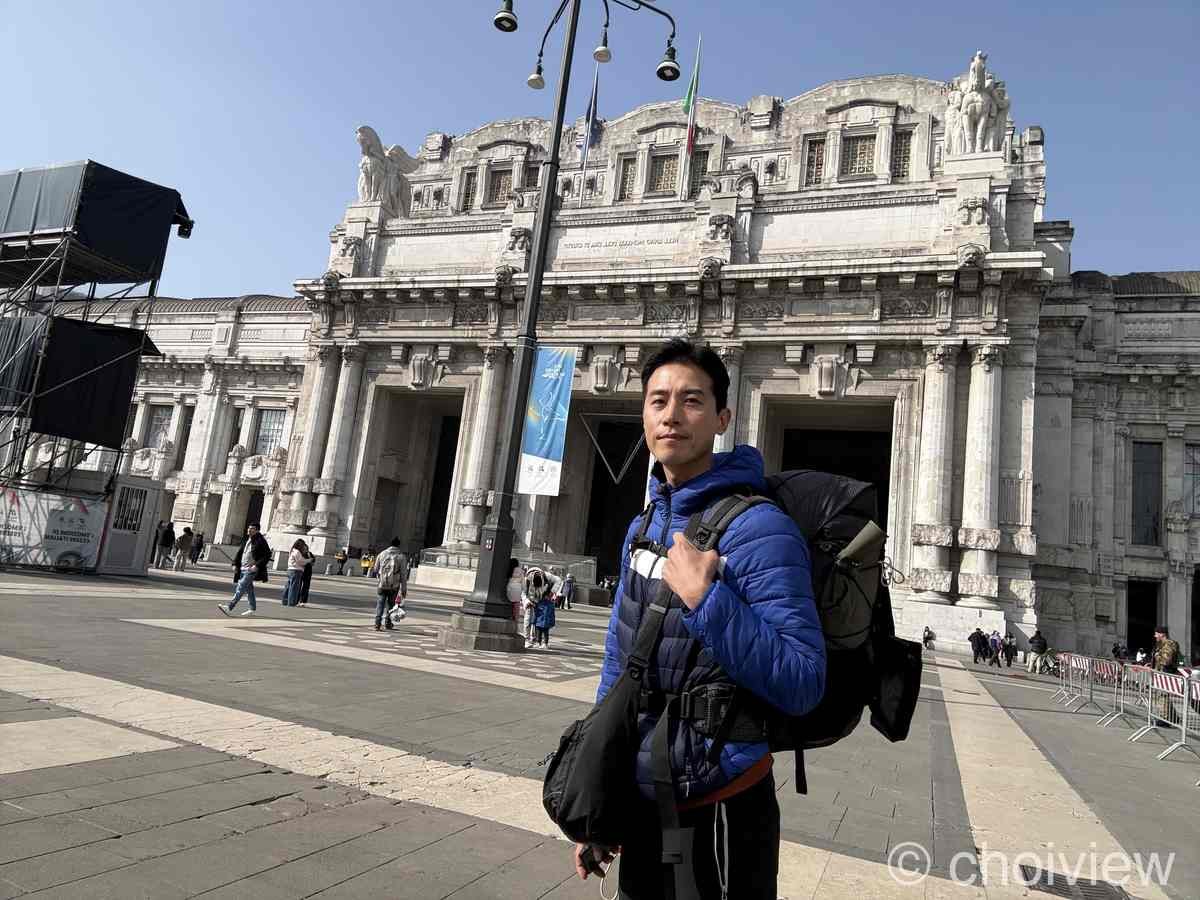
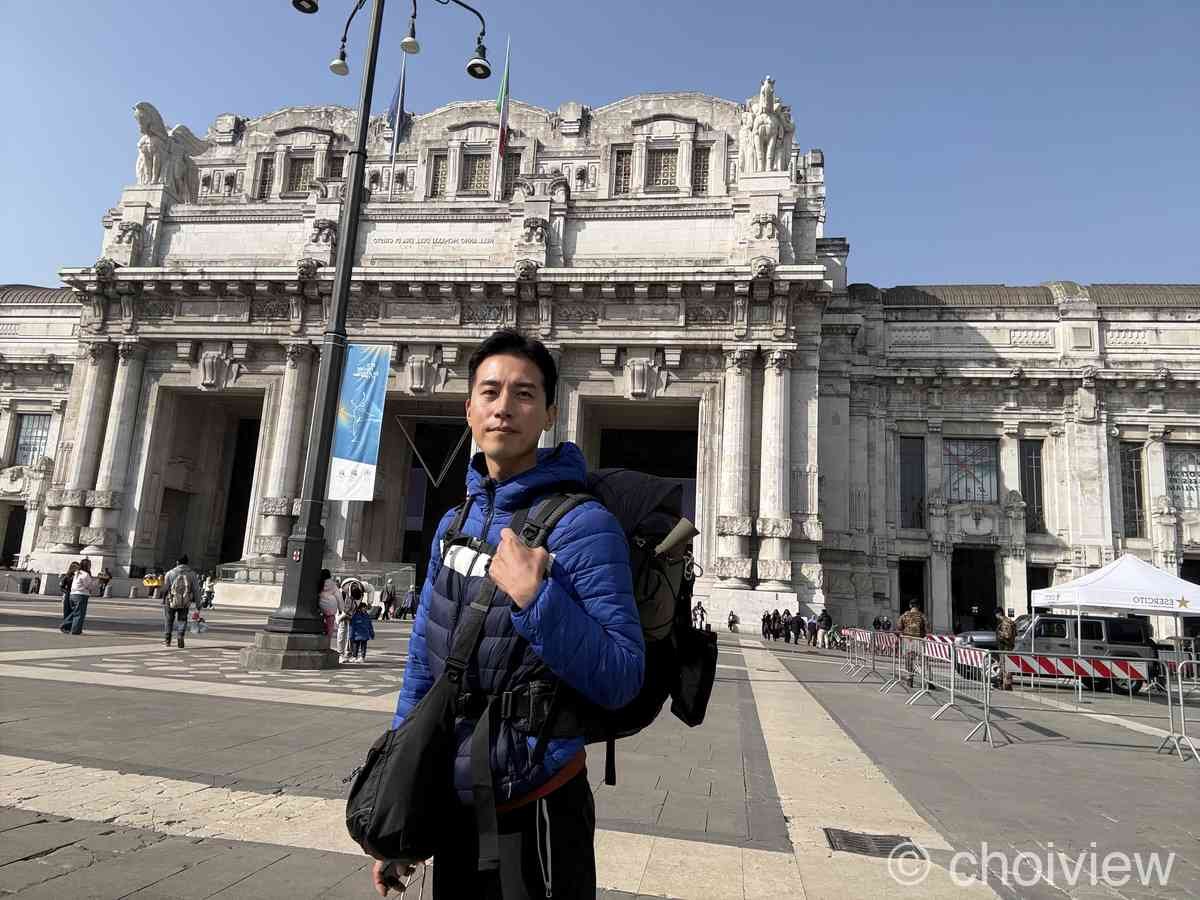
역에 도착하니 규모가 대단하더라고요. 서울역도 크다고 생각했는데 거대 돌덩이들을 쌓아놓고 무슨 국립박물관처럼 만들어놓은 듯 규모 면에서 비교가 되지 않았습니다.
하지만 역에서 에스컬레이터도 찾아보기 힘들고 트램을 탔는데 너무 시끄럽고 의자도 나무로 딱딱한 게 편의와는 거리가 멀어 보였어요. 산업혁명 때 모습 그대로 구현하려 한 건가 싶기도 했습니다. 역에서 숙소까지 대중교통으로 20여 분 거리였는데 딱딱한 나무 덕에 엉덩이가 아파서 묘한 기분이었어요.
타고 가다가 거동이 불편한 분이 보였는데 트램에 잘 못 올라오니 여러 명이 손을 잡아 끌어주는 등 서로서로 도와주는 모습은 참 훈훈했습니다.
또 타지 않고 밖에서 보는 트램은 색이 가지각색이어서 그 모양새가 꽤나 예뻤어요. 덩치가 제각각이었고, 정류장이 좁은 도로에는 정류소처럼 안 돼 있어 찾기가 좀 어려웠습니다.
돌아다녀보니.. 마치 오래된 도시를 걷는 듯한 느낌이 들었어요. 24시간 교통 패스권을 끊어서 다니기로 했는데 스위스의 세이브데이패스권처럼 모든 교통수단을 맘껏 타고 다닐 수 있었습니다. 역에서 숙소까지 트램, 다시 밀라노 시내로 트램, 유적지로 지하철 등 다양한 수단을 탔는데 환승을 빼고서도 한 사람당 13.2유로어치 넘게 탔더라고요. 다행히 데이 패스가 7.6유로라, 절반은 아낄 수 있었던 셈이죠.
악마의 뿔 자국이 남은 기둥
먼저 향한 곳은 악마의 뿔 자국이 남은 기둥(Colonna del Diavolo)이었습니다. 산탄브로조 성당 앞, 두 개의 구멍이 뚫린 대리석 기둥이 서 있었어요. 전설에 따르면 악마가 성 암브로지오를 시험하기 위해 나타났다가 성인이 십자가로 몰아내자 악마의 뿔이 기둥에 박혀 생긴 흔적이 지금의 구멍이라고 해요.
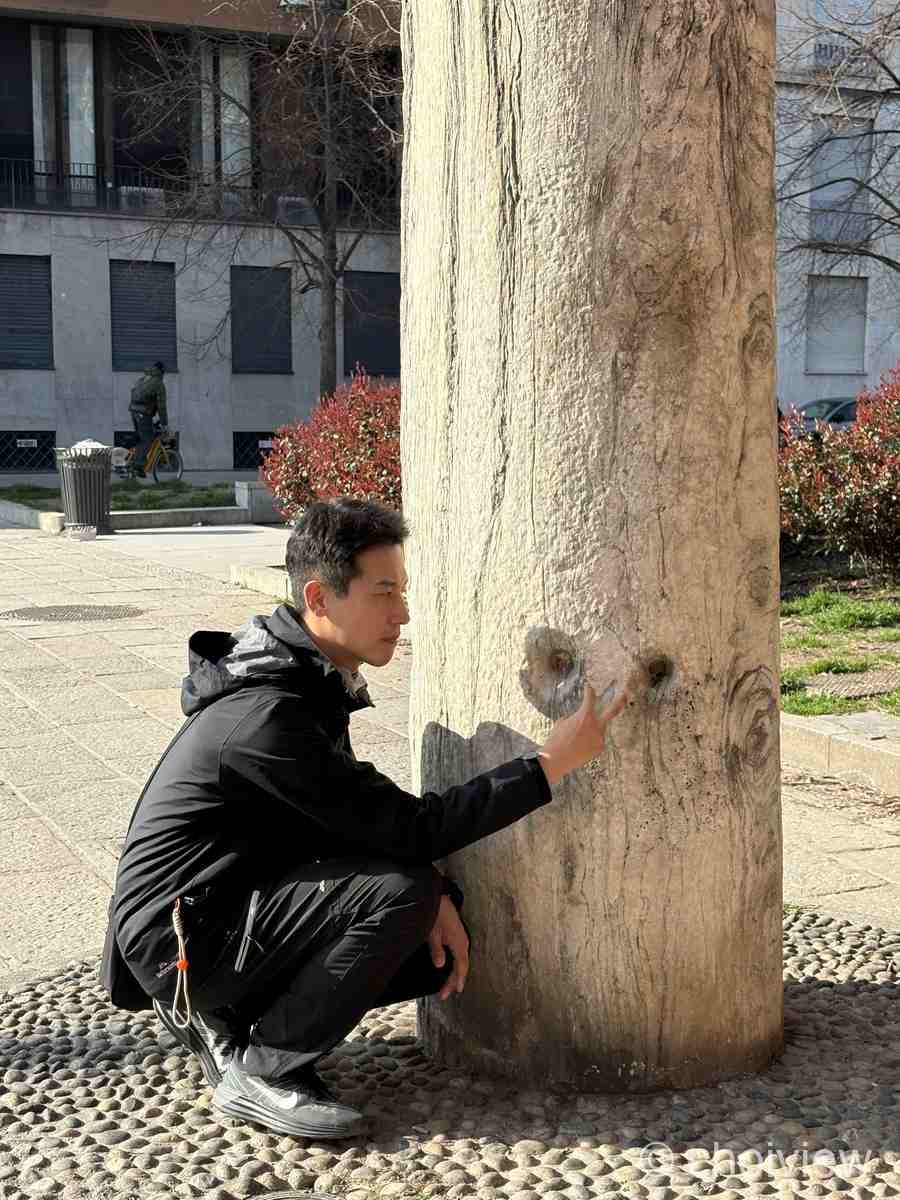
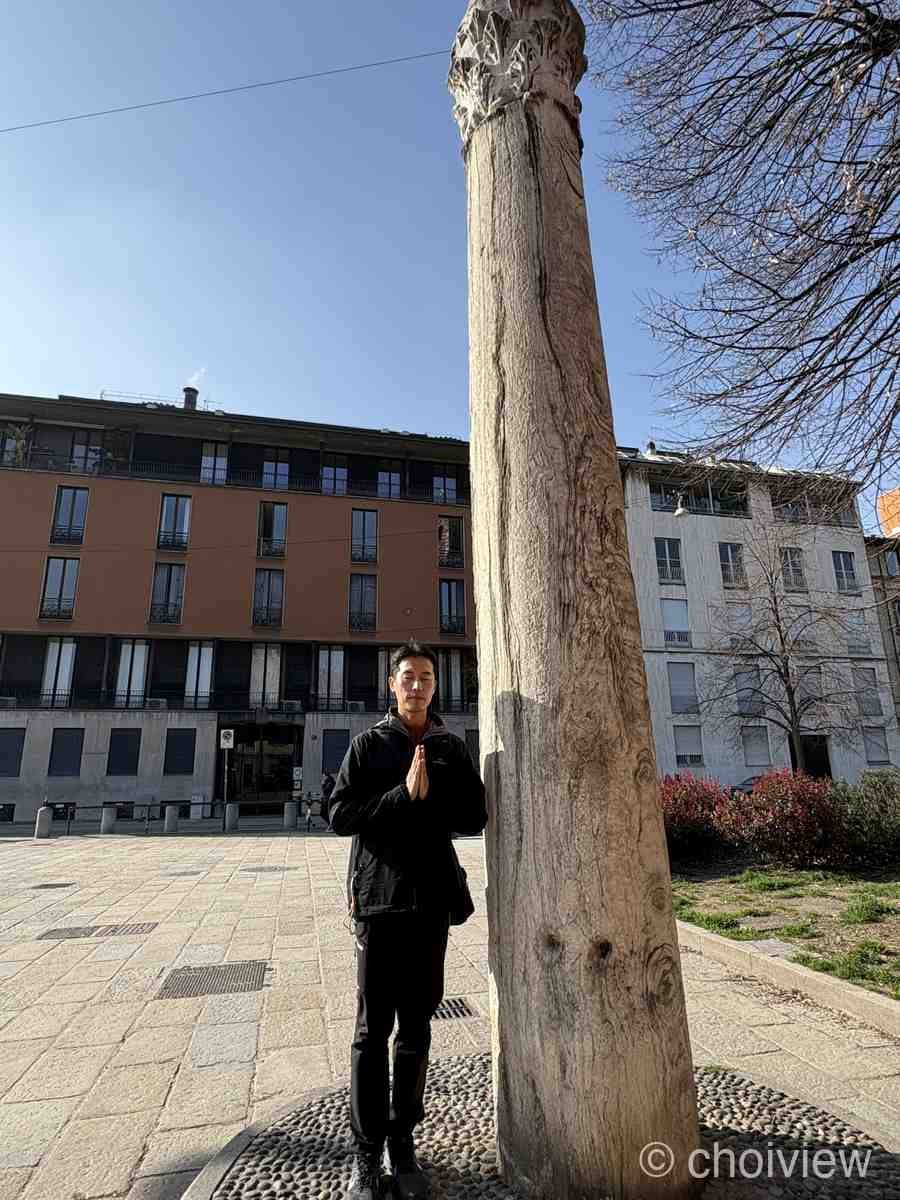
전설 속에서는 그 구멍을 통해 황옥이 온다고 한다더라고요. 실제로 보면 대리석 기둥에 웬 움푹 파인 구멍이 2개 있어 꽤 신기하긴 했습니다.
해골 예배당
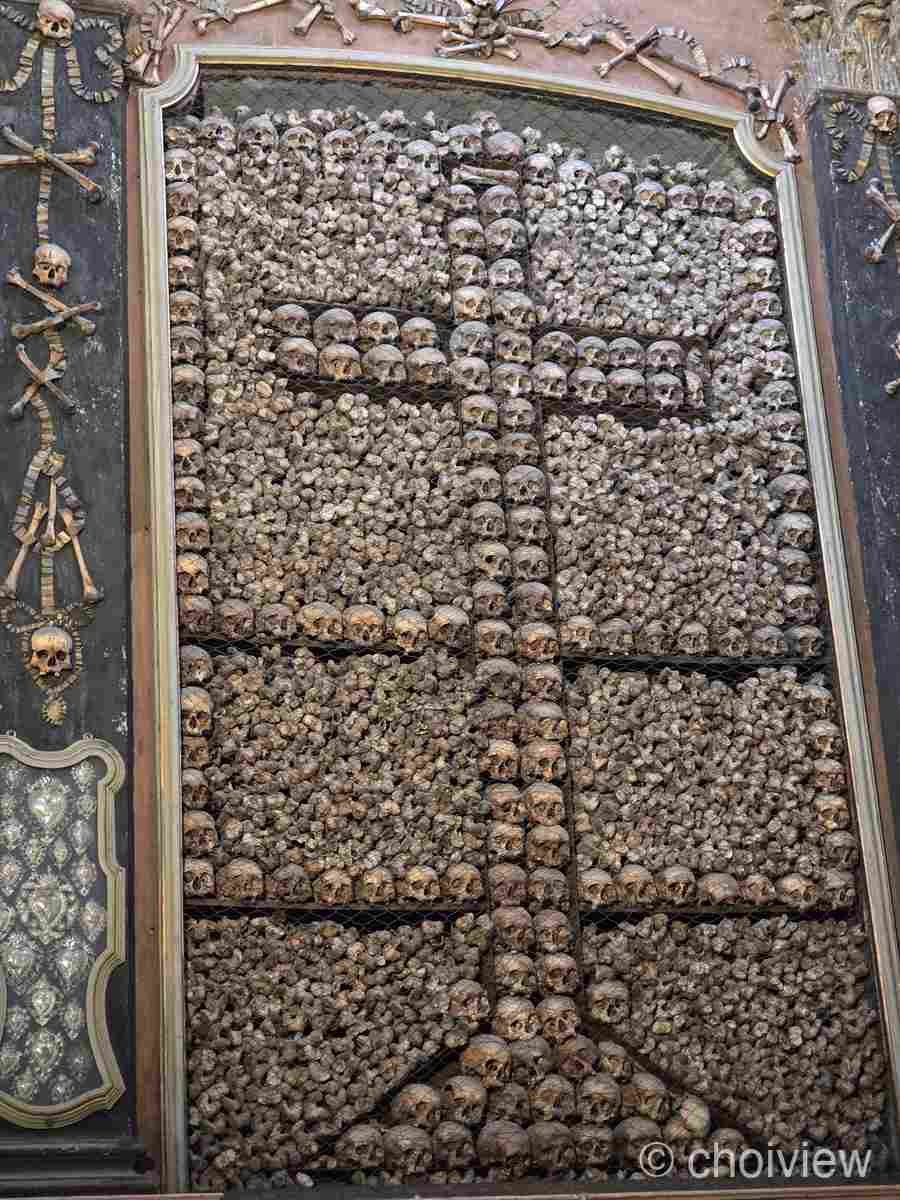
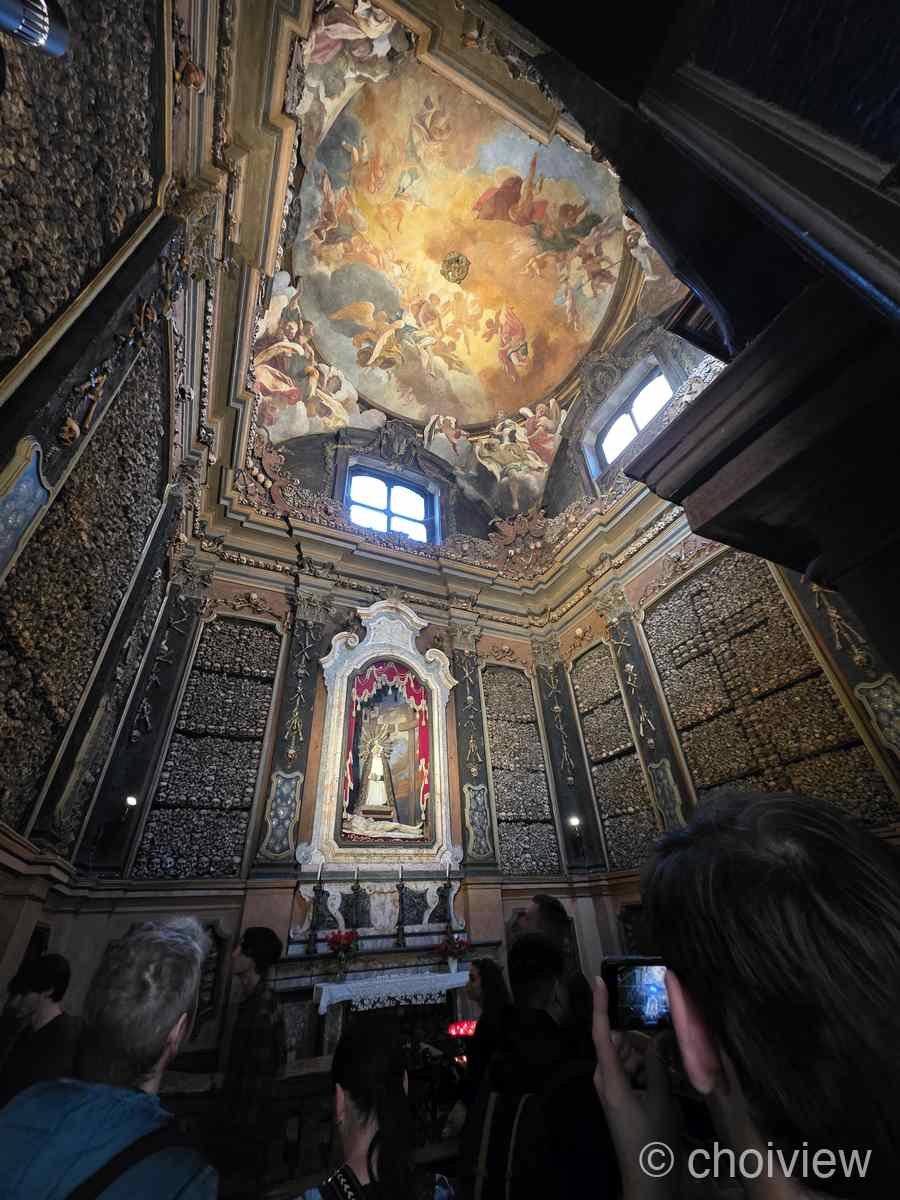
다음으로 향한 곳은 개인적으로 많이 기대했던 해골 예배당(Santuario di San Bernardino alle Ossa)이었습니다. 수천 개의 해골로 장식된 작은 예배당(ossario)인데, 12세기 말과 13세기 전염병과 전쟁으로 사망자가 많아 묘지가 부족했던 문제를 해결하기 위해 지어졌다고 해요. 성당 인근 묘지에서 발굴된 유골을 모아 정리하고 벽면에 배열한 것인데, 이를 통해 죽음을 기억하고 생명과 삶의 소중함을 되새기려는 뜻이었다고 합니다. 죽음과 삶 두 가지가 한데 섞여 있는, 특유의 묘한 분위기를 느낄 수 있었어요.
악마의 궁전
이어서 바로 근처에 위치한 악마의 궁전(Palazzo Acerbi)으로 향했습니다. 17세기 귀족 루도비코 아체르비 백작의 저택이었던 이곳에는 한때 악마가 살았다고 전해져요. 정문 양쪽에는 지금도 악마의 얼굴이 새겨져 있는 걸 볼 수 있었습니다.
1630년 밀라노를 뒤덮은 역병이 도시를 황폐하게 만들던 시기에도 아체르비 백작은 귀족들을 초대해 매일같이 연회를 열었다고 해요. 도시 건너편에서는 곡소리가 들리는 상황에서 이 집에선 음악과 웃음이 흘러나왔고, 신기하게도 안의 사람들은 아무도 역병에 걸리지 않았다고 합니다. 그로 인해 주민들 사이에서 ‘저 집에는 악마가 살고 있다’는 소문이 퍼졌고 그때부터 이곳은 ‘악마의 궁전’으로 불리게 되었다는 설화가 있더라고요.
밖에서 주변 사진을 담고 있을 때 때마침 밀라노 현지인이 집 안에서 거대한 목재 문을 열고 나오길래 내부를 살짝 구경해 보았는데, 현재는 그냥 주거지를 갖춘 일반 주택 사무실로 평범하게 사용되고 있었어요.
거인들이 지키는 집
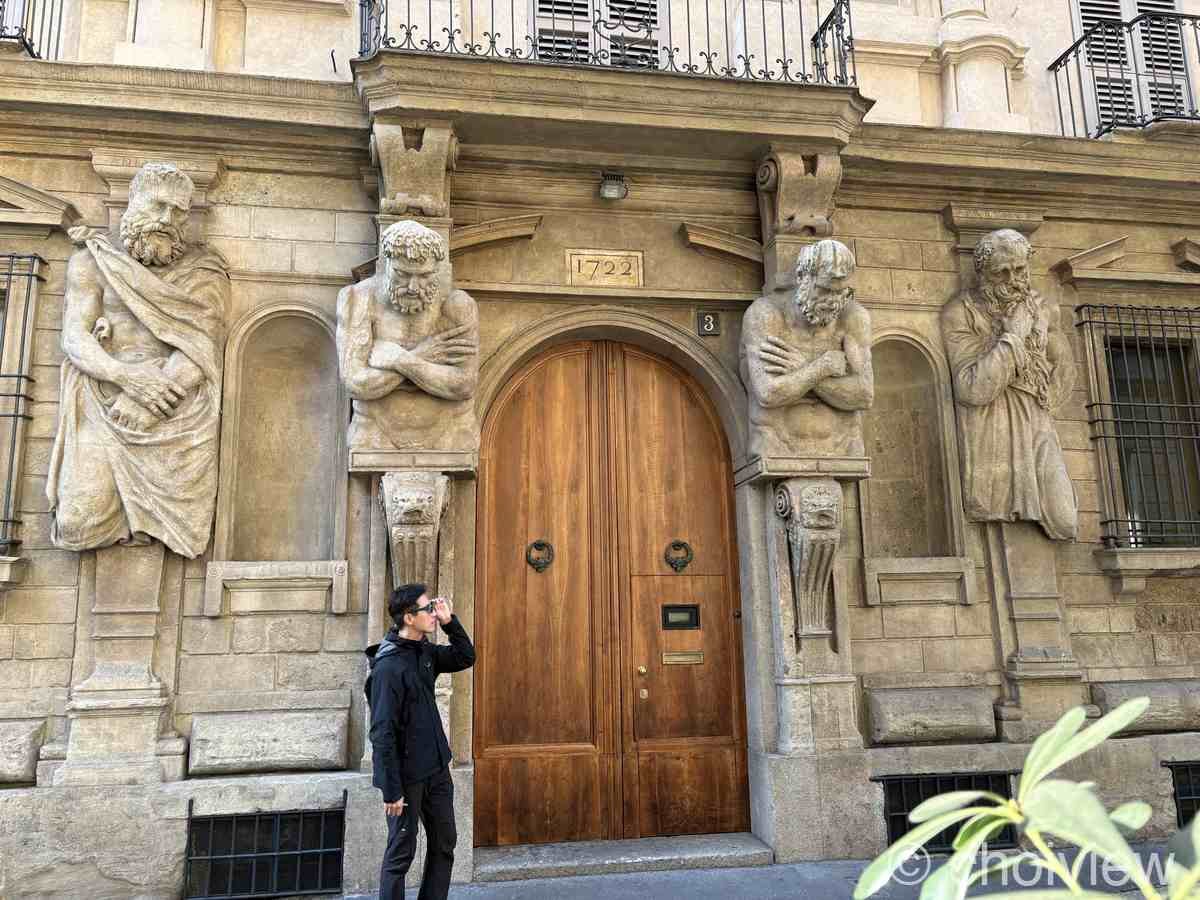
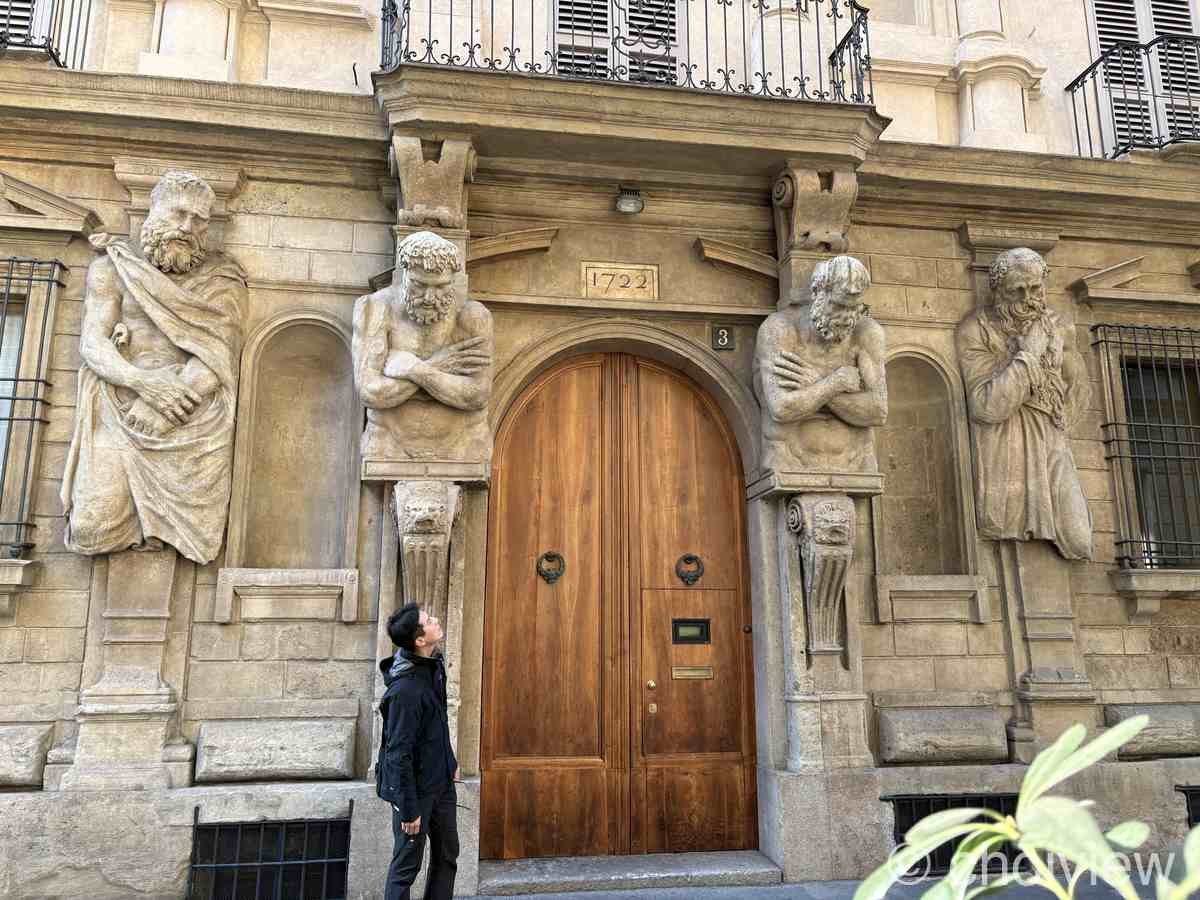
마지막 코스로 거인들이 지키는 집(Casa degli Omenoni)을 찾았어요. 르네상스 시대 건물로 입구 주변에서 8개의 거인상(Omenoni)이 묵묵히 건물 전체를 떠받들고 있었습니다. 16세기 조각가이자 예술 수집가였던 레오네 레오니(Leone Leoni)가 자신의 저택으로 건축한 곳으로, 당시 밀라노 예술계의 중요한 중심지 역할을 했다고 해요.
거인상들은 권력과 인간의 교만, 예술가의 자의식을 조형적으로 보여주는 상징이라는데, 사람마다 다르게 느껴지나 봐요. 제 눈엔 웅장한 크기에도 불구하고 무언가 버거워하고 슬퍼하는 것처럼 보였는데, 아내의 눈에는 오만한 태도로 아래를 내려다보는 것 같아 약간의 거북함이 든다고 하더라고요.
그렇게 밀라노에서의 첫날 일정을 모두 마치고 숙소로 돌아가기 전, 호주에서도 종종 들르곤 했던 저가 마트 ‘알디’에 물건을 사러 갔습니다. 지하철에서는 자리를 양보해줬다가 우연히 한국어를 꽤 능숙하게 하는 현지인과 마주쳤는데, 연세대 한국어학당에서 공부한 적이 있고 몸에 한글 타투를 새겼을 정도로 한국에 푹 빠져 있었어요. 이역만리에서 이렇게 한국 문화를 진심으로 즐기는 사람을 마주치니 신기하더라고요.
화려한 경제도시 밀라노 역시 어김없이 거리에 노숙자들이 꽤 보였습니다. 눈부신 발전 이면에 짙게 남은 양극화는 어떤 나라든 풀어나가야 할 큰 숙제라는 생각이 들었네요.
커다란 타임머신을 타고 완전히 다른 시대에 툭 떨어진 듯한 기분이었습니다. ”
오늘 만난 장소들
- 밀라노 중앙역 Milano Centrale거대한 돌 건축물이 미술관이나 박물관처럼 느껴집니다.
- 악마의 뿔 기둥 Colonna del Diavolo대리석 기둥에 뚫린 구멍이 악마의 뿔이 박힌 흔적이라는 전설의 장소.
- 해골 예배당 San Bernardino alle Ossa수백 년 전의 유골로 가득 찬, 삶과 죽음이 공존하는 독특한 예배당.
- 악마의 궁전 Palazzo Acerbi역병 속에서도 끝없이 파티가 이어졌다는 섬뜩한 전설을 가진 저택.
- 거인들이 지키는 집 Casa degli Omenoni8명의 거인이 건물을 떠받드는 눈에 띄는 르네상스 건축물.
끄적끄적 노트
- 이탈리아 사람들은 출근길에 바에 서서 가볍게 에스프레소나 카푸치노를 털어 넣고 가더라고요. 자리에 오래 앉아 수다를 떠는 문화와는 사뭇 달랐습니다.
- 카페 코레또라는, 에스프레소에 증류주(그라빠나 삼부카)를 섞어 마시는 신기한 메뉴가 보편화돼 있습니다.
- 건물들의 연식이 어마어마하다 보니 시내 곳곳에서 무슨 유물 보존 작업하듯 조심스레 보수 작업하는 모습을 쉽게 볼 수 있습니다.
여행 팁
- ✓ 24시간 교통 패스: 7.6유로로 시내 주요 대중교통(트램, 버스, 지하철)을 무제한 요금 부담 없이 쓸 수 있어 강력 추천합니다.
- ✓ 트램은 승차감도 거칠고 정류장 표시도 의외로 소박하게 숨어 있는 곳이 많아 초행길엔 주의 깊게 살펴봐야 해요.
- ✓ 밀라노에서도 저가 마트 ‘알디’를 잘 활용하면 식비 방어에 큰 도움이 됩니다.
- ✓ 예쁜 강아지가 많지만 그만큼 길가에 배설물이 자주 보이니 발밑을 항상 잘 살피세요.
Milano
It was finally the day to head for Milan — Italy’s economic powerhouse and largest city. We hadn’t booked train tickets for this part of the trip, assuming there’d be some kind of metro connection, but thankfully a train was available right away. After a ninety-minute ride from nine to half past ten, we arrived safe and sound. The Alps were still visible from the window, which made the journey a visual treat.
Stepping into the station, I was struck by its sheer scale. I’d always thought Seoul Station was grand, but Milano Centrale was on another level — massive stone blocks stacked like a national museum. It felt more like a monument than a transit hub.
That said, escalators were hard to come by, and the tram we hopped on was loud, with rigid wooden seats that felt anything but modern. It was as if the city had preserved the Industrial Revolution in its public transit. The twenty-minute ride to our accommodation left my backside aching — an oddly unforgettable experience.
At one stop, an elderly person was struggling to board the tram, and several passengers reached out to pull them up. That quiet, instinctive kindness really stuck with me.
From the outside, the trams themselves were actually gorgeous — each one a different color and size, like a rolling parade through the streets. Though spotting the stops on narrow roads was a bit of a scavenger hunt.
Walking around, the city had this unmistakable patina of age — like stepping through layers of history with every block. We opted for a twenty-four-hour transit pass, and much like the Swiss Save Day Pass, it gave us unlimited rides on everything. Between trams to the hotel, trams back to the center, and the metro to historic sites, we each racked up over thirteen euros’ worth of rides. Luckily, the day pass was only seven-sixty — so we saved nearly half.
The Dark Side of Milan
Milan has a darker, stranger side — and we set out to find it.
Our first stop was the Column of the Devil near the Basilica of Sant’Ambrogio. Right there, a marble pillar with two mysterious holes stood in the square. Legend has it that the Devil appeared to test Saint Ambrose, but the saint drove him away with a cross — and the Devil’s horns left those very marks in the stone.
The folklore says that the scent of sulfur still drifts through those holes. Looking at them up close, they really do seem oddly deliberate — two deep gouges in solid marble. Quite eerie, and quite fascinating.
The Chapel of Bones
Next was the place I’d been most eager to visit — the Chapel of Bones, or San Bernardino alle Ossa. It’s a small ossuary decorated with thousands of human skulls and bones, built in the late twelfth and thirteenth centuries when plague and war left the cemeteries overflowing. The remains were exhumed, carefully arranged along the walls — a solemn reminder of mortality and the preciousness of life. Standing inside, you could feel that strange tension between death and the sacred.
The Devil’s Palace
Just steps away was the Palazzo Acerbi, known as the Devil’s Palace. This seventeenth-century mansion once belonged to Count Ludovico Acerbi, and rumors of the Devil residing here have lingered for centuries. Even today, carved demonic faces flank the main entrance.
During the devastating plague of 1630, while the rest of Milan was consumed by grief, Count Acerbi threw lavish parties night after night. Music and laughter poured from the windows while funeral processions passed on the opposite street — and miraculously, not a single guest ever fell ill. That’s when the whispers began: “The Devil lives in that house.”
While I was photographing the exterior, a local happened to open the enormous wooden door from inside. I caught a peek — and it’s just an ordinary residential office now. Quite the anticlimax, honestly.
The House of Giants
Our final stop was the Casa degli Omenoni — the House of Giants. Eight colossal stone figures stand at the entrance of this Renaissance building, silently bearing the weight of the structure above. It was built by Leone Leoni, a sixteenth-century sculptor and art collector, and once served as a central hub for Milan’s artistic elite.
The giants are said to symbolize power, human hubris, and artistic ego. But everyone reads them differently. To me, they looked burdened, almost sorrowful despite their imposing size. My wife, on the other hand, found their expressions arrogant — as if looking down on passersby with quiet disdain.
End of the Day
After wrapping up our first day in Milan, we swung by Aldi — a budget supermarket we’d often visited back in Australia. On the metro ride back, I offered my seat to someone and ended up chatting with a local who spoke surprisingly fluent Korean. He’d studied at Yonsei University’s language institute and even had Korean calligraphy tattooed on his body. Meeting someone that genuinely passionate about Korean culture on the other side of the world was a delightful surprise.
Even in glamorous Milan, homelessness was visible on many corners. The stark inequality behind the city’s dazzling façade was a sobering reminder that every nation, no matter how prosperous, carries this unresolved challenge.